Nutrition expertise that changes what clinicians do.
Curriculum design, Food as Medicine program architecture, and interprofessional training for medical schools, health systems, and community organizations.
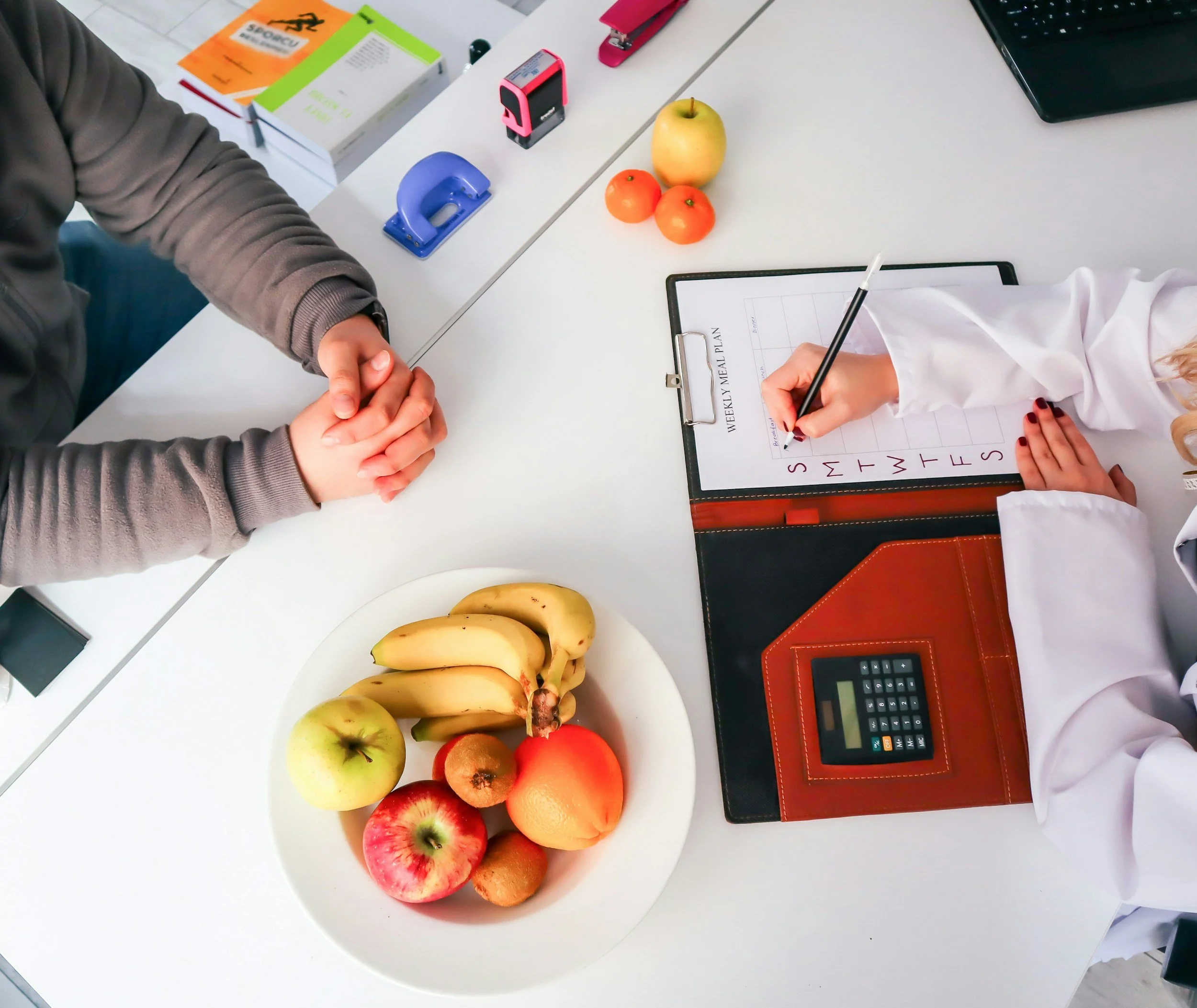
This work has a home in a medical school.
I serve as Health and Wellness Thread Leader at the Jacobs School of Medicine and Biomedical Sciences, University at Buffalo, designing how nutrition, prevention, and lifestyle medicine are taught across all four years. Consulting work runs on the same methods.
What this looks like in practice

Medical & Health Professions Education
Longitudinal curriculum design, competency mapping, assessment, and faculty development — building nutrition and lifestyle medicine into the courses and clerkships clinicians already take.
Food as Medicine Program Design
Program architecture, clinical workflow, referral pathways, and implementation strategy for health systems and community organizations.
Culinary Medicine & Teaching Kitchens
Teaching kitchen models, experiential curriculum, and interprofessional training that puts food skills in the hands of clinicians and care teams.
Each of these is a different shape of the same work — turning nutrition evidence into something a clinician, a team, or an organization can act on.
Why This Work Is Different
Most nutrition expertise enters a project as recommendations. Mine enters as design, training, and assessment — and stays through implementation rather than ending at the deliverable.
And it gets measured. The Activate RDNs curriculum at the University at Buffalo produced significant pre-to-post gains on all four measured outcomes (pre n=89, post n=98, all p<0.001).
See the work in practice